
 Anabelle McLean
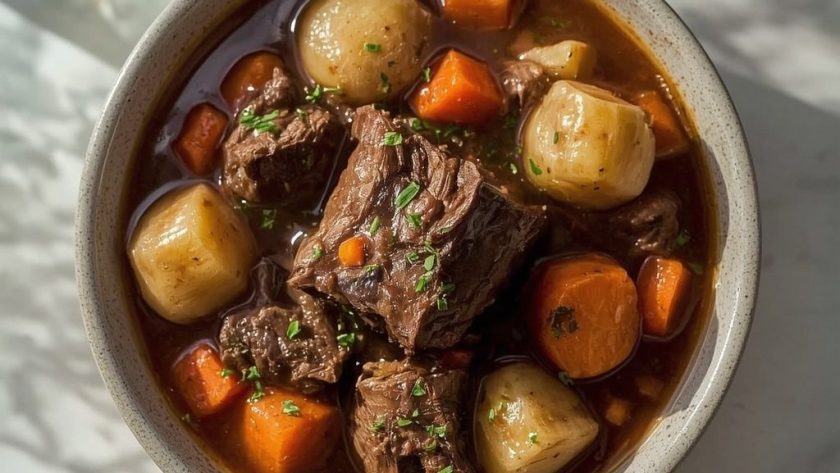
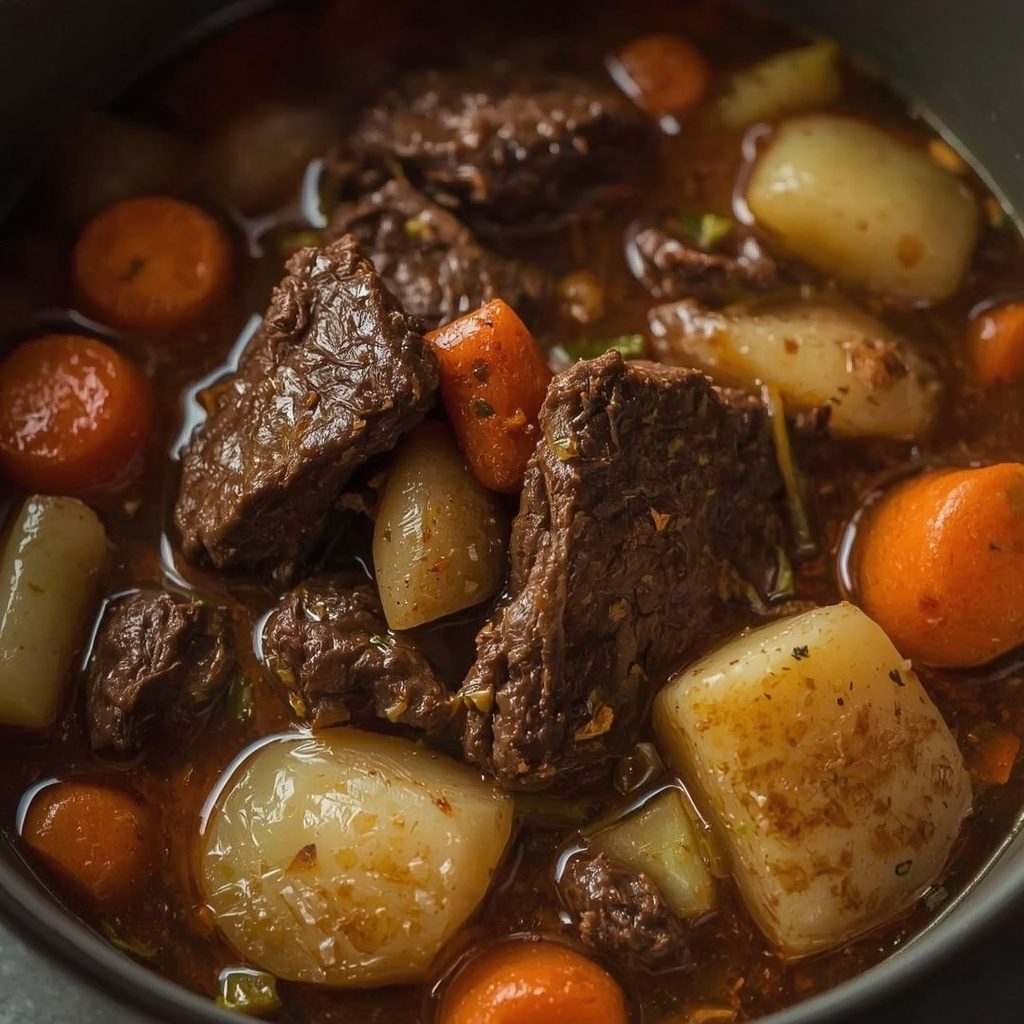
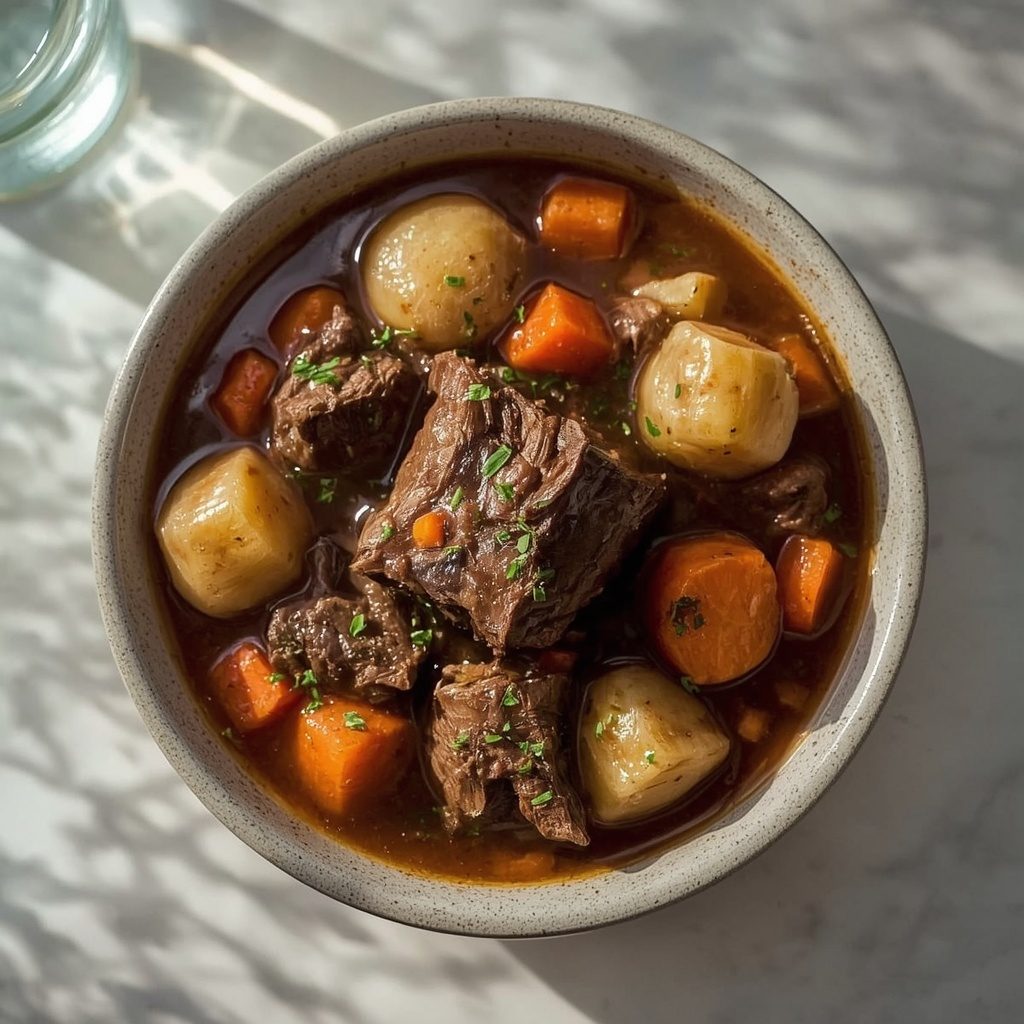
 Pioneer Woman Beef Stew with Root Vegetables is the kind of rustic, deeply savory dish that makes a chilly evening feel like an occasion. It combines fork-tender chuck roast with carrots, parsnips, turnips, and baby red potatoes, all braised low and slow in a rich beefy broth. The result is a hearty, slow-simmered meal with balanced flavor in every spoonful.
The total time runs 3 hours, though most of that is hands-off simmering. This recipe lands at an intermediate level—not because any single step is hard, but because browning the beef properly and timing the vegetables takes some attention. Make it on a lazy Sunday when the house could use a few hours of savory aromas.
What is Pioneer Woman Beef Stew with Root Vegetables?
This is a stovetop-braised beef stew where chuck roast gets seared, then simmered gently in beef broth with tomato paste, Worcestershire sauce, and aromatics. Root vegetables join partway through so they turn tender without turning to mush. You get big chunks of beef, softened vegetables, and a glossy, savory sauce in every bowl.
The flavor is deeply beefy with a subtle sweetness from caramelized tomato paste and the natural sugars in the root vegetables. The texture lands somewhere between a stew and a light gravy—thick enough to cling to the meat but not pasty. A splash of red wine vinegar at the end brightens the whole thing.
It is the kind of dish that feels right from late fall through early spring, when root vegetables are at their best.
Why You Should Try This Recipe
- Deep Flavor — Searing the beef and deglazing with onions builds a rich foundation that simmering alone cannot replicate.
- One-Pot Meal — Everything cooks in a single Dutch oven, so cleanup is minimal and the flavors meld together naturally.
- Budget-Friendly Cut — Chuck roast is inexpensive, but low and slow braising transforms it into something luxurious.
- Root Vegetable Depth — Parsnips and turnips add an earthy, slightly sweet note that plain carrots and potatoes miss.
- Make-Ahead Friendly — The stew tastes even better the next day, which means dinner is already sorted for tomorrow.
Ingredients Needed to Make Pioneer Woman Beef Stew with Root Vegetables
You probably have most of these already. The root vegetables are the star support cast here, so do not skip the parsnips or turnip.
Beef and Seasoning
- 2 lb beef chuck roast — Trimmed and cut into 1 1/2-inch cubes. Chuck has enough marbling to stay moist during the long simmer. Look for pieces with even streaks of fat.
- 2 tsp kosher salt, divided — Half goes on the beef before searing, half into the broth. Diamond Crystal is less salty by volume than Morton, so adjust if needed.
- 1 tsp freshly ground black pepper, divided — Ground pepper loses punch over time. Grind it fresh right before using.
- 3 tbsp all-purpose flour — Coats the beef to help browning and lightly thickens the sauce as it simmers.
Cooking Fat and Aromatics
- 3 tbsp vegetable oil, divided — Neutral oil with a high smoke point works best for getting a proper sear.
- 1 large yellow onion — Cut into 1/2-inch dice, about 1 1/2 cups. Yellow onions melt into the sauce and add sweetness.
- 3 cloves garlic, minced — Added near the end of the aromatic cooking so it does not burn.
- 2 tbsp tomato paste — Caramelized in the pot to remove its raw edge and deepen the overall savoriness.
Liquid and Herbs
- 4 cups low-sodium beef broth — Low-sodium gives you control over the final salt level. Regular broth can make the stew too salty after reduction.
- 1 tbsp Worcestershire sauce — Adds umami and a subtle tang that rounds out the beef flavor. Check the label if you avoid anchovies.
- 2 bay leaves, dried — Removed before serving. They add a background herbal note that you notice more when it is missing.
- 1 tsp fresh thyme leaves — Stirred into the broth, with extra for garnish. Fresh thyme holds up better than dried over a long simmer.
Root Vegetables and Finish
- 3 medium carrots — Peeled and cut into 1 1/2-inch chunks, about 2 cups. Cut them large enough to hold their shape.
- 2 medium parsnips — Peeled and chunked to about 1 1/2 cups. Parsnips bring an earthy sweetness that deepens as they cook.
- 1 medium turnip — Peeled and cut into 1-inch cubes, about 1 cup. Turnip adds a mild peppery edge that balances the richness.
- 3/4 lb baby red potatoes — Halved or quartered if large, about 2 cups. Waxy red potatoes hold their shape better than russets in a stew.
- 1 tbsp red wine vinegar — Stirred in at the very end. No alcohol here—just the vinegar for brightness and balance.
- 2 tbsp fresh flat-leaf parsley — Finely chopped for garnish. Adds freshness right before serving.
Step by Step Instructions to Prepare Pioneer Woman Beef Stew with Root Vegetables
Here is the full method, including the small details that make the difference between a good stew and a great one.
- Dry and Coat the Beef — Pat the beef cubes thoroughly dry with paper towels. Toss them with 1 teaspoon kosher salt, 1/2 teaspoon black pepper, and the flour until each piece is lightly coated. Dry meat browns instead of steaming, and the flour helps build body in the finished sauce.
- Brown the First Batch — Heat 2 tablespoons vegetable oil in a large Dutch oven over medium-high heat until the oil shimmers and ripples. Add half the floured beef in a single layer with about 1/2 inch between pieces. Cook without moving for 3 to 4 minutes, until the undersides are deeply browned and release easily with tongs.
- Brown the Second Batch — Turn each piece and brown the remaining sides for another 3 to 4 minutes, until the beef is crusty and dark brown in spots. Transfer to a plate. Add the remaining 1 tablespoon oil and repeat with the second batch. Crowding the pot drops the temperature and causes the meat to boil in its own juices instead of searing.
- Soften the Onion — Reduce heat to medium. Add the diced onion to the empty pot and cook, scraping the browned bits from the bottom with a wooden spoon, for 5 to 6 minutes until softened and translucent with lightly golden edges. Those browned bits, called the fond, dissolve into the onion and add deep savory flavor.
- Caramelize the Tomato Paste — Add the minced garlic and tomato paste. Stir constantly for 1 to 2 minutes, until the garlic is fragrant and the tomato paste darkens from bright red to deep brick-red. This removes the raw, tinny flavor and concentrates its natural sweetness.
- Build the Broth — Return the browned beef plus any juices from the plate back to the pot. Pour in the beef broth and Worcestershire sauce. The liquid should just cover the beef. Add a splash of water only if some pieces sit above the surface. Add the bay leaves, thyme leaves, remaining 1 teaspoon salt, and remaining 1/2 teaspoon pepper.
- Simmer the Beef — Bring the liquid to a gentle boil over medium-high heat, watching for small bubbles breaking the surface but not a rolling boil. Reduce heat to low as soon as bubbles appear consistently. Cover with a heavy lid, leaving it slightly ajar by about 1 inch, and simmer for 1 hour and 15 minutes. Stir every 20 minutes to prevent sticking. Low, gentle heat keeps the chuck roast’s collagen breaking down slowly into tender meat.
- Add the Root Vegetables — After 75 minutes, test a piece of beef by inserting a fork. It should meet slight resistance but begin to yield. Add the carrots, parsnips, turnip, and baby red potatoes, pressing them gently into the liquid. Return to a gentle simmer over medium heat, then reduce to low again. Cover with the lid slightly ajar and cook for 35 to 45 minutes more.
- Check for Doneness — At the 35-minute mark, test the root vegetables with a paring knife. They are ready when the knife slides in easily but the centers still have a little firmness. The beef should shred slightly when pressed with the back of a spoon but not fall apart into strings. If either needs more time, continue simmering and check every 10 minutes.
- Finish and Rest — Remove the pot from the heat. Fish out and discard the bay leaves. Stir in the red wine vinegar, which brightens the stew and balances the richness. Let it rest uncovered for 10 minutes. The sauce will thicken slightly and the flavors settle. Taste the broth and add a pinch more salt only if needed.
- Serve — Ladle into wide, deep bowls, making sure each serving gets beef and a mix of all the vegetables. Garnish generously with chopped parsley and a scattering of fresh thyme leaves. Serve hot with crusty bread or alongside mashed potatoes.
What Goes Well With Pioneer Woman Beef Stew with Root Vegetables
This stew is a complete meal on its own, but a few simple sides round it out nicely.
- Crusty Sourdough Bread — Tear off a piece and use it to soak up every bit of the savory sauce.
- Mashed Potatoes — The stew ladles beautifully over creamy mashed potatoes for an extra-comforting plate.
- Sautéed Green Beans — A quick-cooking green vegetable adds color and a crisp contrast to the soft root vegetables.
- Simple Side Salad — A light salad with a sharp vinaigrette cuts through the richness of the beef.
- Roasted Brussels Sprouts — Their slightly bitter, caramelized edges pair well with the sweet root vegetables.
- Buttered Egg Noodles — Some households swear by serving beef stew over wide egg noodles instead of bread.
Essential Tips for Perfecting Pioneer Woman Beef Stew with Root Vegetables
The difference between a good stew and an exceptional one often comes down to a few small habits. Here is what actually matters.
- Pat the Beef Completely Dry — Excess moisture on the surface turns searing into steaming. Dry meat develops the deep brown crust that anchors the stew’s flavor.
- Do Not Rush the Sear — Give each batch the full 6 to 8 minutes across all sides. That dark exterior is where the beefy depth lives.
- Leave the Lid Slightly Ajar — A cracked lid lets some steam escape, which concentrates the broth while still trapping enough heat for even cooking.
- Stir Every 20 Minutes — The bottom of the pot is where sticking happens. A quick stir prevents scorching without disrupting the simmer.
- Add Vegetables in Stages — Root vegetables need less time than the beef. Adding them all at once means the beef stays tough or the vegetables turn to mush.
- Wait to Add the Vinegar — Stirring in red wine vinegar after cooking keeps its brightness sharp. Add it too early and the acidity fades into the broth.
- Track Salt at the End — Broth reduces during simmering, which concentrates salt. Taste after resting and adjust only then.
Variations of Pioneer Woman Beef Stew with Root Vegetables
Once you have the base method down, there are a few easy ways to change the personality of this dish.
- Extra Vegetable Swap — Replace the turnip with an equal amount of celery root for a milder, more delicate flavor.
- Herb Boost — Stir in a teaspoon of chopped fresh rosemary along with the thyme for a more aromatic, woodsy note.
- Mushroom Add-In — Sauté 8 ounces of sliced cremini mushrooms with the onions. They add an earthy, savory layer that deepens the broth.
- Spicy Kick — Add 1/4 teaspoon of red pepper flakes with the garlic and tomato paste for gentle, warming heat.
- Creamy Finish — Swirl in 2 to 3 tablespoons of heavy cream just before serving for a silkier, more indulgent sauce.
- Red Wine Substitute — If you want that classic stew depth without alcohol, add an extra teaspoon of Worcestershire and a splash more broth. The recipe already works beautifully this way.
Storing Pioneer Woman Beef Stew with Root Vegetables: Best Practices
This stew holds up beautifully in the fridge or freezer, and the flavor actually deepens overnight.
- Refrigerator Storage — Cool leftovers to room temperature, cover tightly, and refrigerate for up to 4 days. The broth thickens as it chills, which is normal.
- Freezer Containers — Transfer fully cooled stew to freezer-safe containers, leaving 1 inch of headspace. That space gives the liquid room to expand as it freezes.
- Freeze Flat Bags — For faster thawing, portion the stew into freezer bags, press out the air, and lay them flat in the freezer.
- Maximum Freeze Time — The stew keeps well for up to 3 months. Beyond that, the vegetables start to lose texture.
- Label Clearly — Write the date and contents on the container. A frozen stew with no label is a guessing game months later.
Reheating Pioneer Woman Beef Stew with Root Vegetables: Best Practices
Gentle heat is the key to bringing this stew back without wrecking the texture of the beef and vegetables.
- Stovetop Method — Warm in a covered pot over medium-low heat for 10 to 12 minutes, stirring occasionally, until bubbling at the edges. Add a splash of beef broth if the sauce looks too thick.
- Microwave Method — Reheat individual portions in a microwave-safe bowl, covered, in 60-second bursts. Stir between each burst for even heating.
- From Frozen — Reheat from the thawed state or gently over low heat, partially covered, for 20 to 25 minutes, stirring every 5 minutes. Avoid boiling, which breaks down the vegetables and dries out the beef.
- Oven Method — Transfer to an oven-safe dish, cover with foil, and warm at 325°F for 15 to 20 minutes. Check halfway and add broth as needed.
FAQs
Can I freeze Pioneer Woman Beef Stew with Root Vegetables?
Yes, it freezes well. Cool it completely, transfer to freezer-safe containers with 1 inch of headspace, and freeze for up to 3 months. Thaw overnight in the refrigerator before reheating.
How long does Pioneer Woman Beef Stew with Root Vegetables last in the fridge?
It keeps for up to 4 days when cooled to room temperature and stored in a tightly covered container. The flavor deepens overnight, so day two often tastes better than day one.
Why does my stew beef turn out tough?
Tough beef in a stew usually means it was not simmered long enough or the heat was too high. Chuck roast needs low, gentle heat for at least 75 minutes before the vegetables even go in.
Can I make Pioneer Woman Beef Stew with Root Vegetables in a slow cooker?
You can, with a few adjustments. Sear the beef and aromatics on the stovetop first, then transfer everything to a slow cooker. Cook on low for 6 to 7 hours, adding the root vegetables during the last 2 hours.
What can I use instead of red wine vinegar?
Apple cider vinegar works as a good substitute with a similar brightness. Use the same amount, and taste before adding any extra salt.
Do I have to peel the turnip?
Peeling removes the slightly bitter, waxy skin and gives you a cleaner, sweeter flavor. It is worth the extra minute of prep.
Print
Pioneer Woman Beef Stew with Root Vegetables
- Prep Time: 30
- Cook Time: 150
- Total Time: 180
- Yield: 4 1x
- Category: Main Course
- Method: Stovetop
- Cuisine: American
Description
A deeply savory, rustic beef stew inspired by Ree Drummond’s hearty approach, featuring fork-tender chuck roast braised low and slow in a rich beefy broth. Root vegetables—carrots, parsnips, turnips, and red potatoes—absorb the savory sauce while staying perfectly tender. The stew is finished with fresh thyme and a bright splash of red wine vinegar for balanced, robust flavor in every spoonful.
Ingredients
- 2 lb beef chuck roast, trimmed and cut into 1 1/2-inch cubes
- 2 tsp kosher salt, divided
- 1 tsp freshly ground black pepper, divided
- 3 tbsp all-purpose flour
- 3 tbsp vegetable oil, divided
- 1 large yellow onion, cut into 1/2-inch dice (about 1 1/2 cups)
- 3 cloves garlic, minced
- 2 tbsp tomato paste
- 4 cups low-sodium beef broth
- 1 tbsp Worcestershire sauce
- 2 bay leaves, dried
- 1 tsp fresh thyme leaves, plus extra for garnish
- 3 medium carrots, peeled and cut into 1 1/2-inch chunks (about 2 cups)
- 2 medium parsnips, peeled and cut into 1 1/2-inch chunks (about 1 1/2 cups)
- 1 medium turnip, peeled and cut into 1-inch cubes (about 1 cup)
- 3/4 lb baby red potatoes, halved or quartered if large (about 2 cups)
- 1 tbsp red wine vinegar
- 2 tbsp fresh flat-leaf parsley, finely chopped, for garnish
Instructions
- Pat the beef cubes thoroughly dry with paper towels. In a large bowl, toss the beef with 1 teaspoon of the kosher salt, 1/2 teaspoon of the black pepper, and the flour until each piece is lightly and evenly coated. This step removes surface moisture so the beef browns instead of steams, and the flour helps build body in the finished sauce.
- Heat 2 tablespoons of the vegetable oil in a large Dutch oven or heavy-bottomed pot over medium-high heat until the oil shimmers and just begins to ripple. Add half of the floured beef in a single layer, leaving about 1/2 inch of space between pieces. Cook without moving for 3 to 4 minutes, until the undersides are deeply browned and release easily from the pot with tongs.
- Turn each piece with tongs and brown the remaining sides for another 3 to 4 minutes total, until the beef is crusty and dark brown in spots. Transfer the browned beef to a plate. Add the remaining 1 tablespoon of oil and repeat with the second batch of beef, again working in a single layer. Avoid crowding the pot—overcrowding drops the pan temperature and causes the meat to boil in its own juices instead of searing.
- Reduce the heat to medium. Add the diced onion to the empty pot and cook, scraping the browned bits from the bottom with a wooden spoon, for 5 to 6 minutes until the onion is softened and translucent with lightly golden edges. Those browned bits, called the fond, dissolve into the onion and add deep savory flavor to the stew base.
- Add the minced garlic and tomato paste to the pot. Stir constantly and cook for 1 to 2 minutes, until the garlic is fragrant and the tomato paste darkens from bright red to a deep brick-red color. This caramelizes the tomato paste and removes its raw, tinny flavor, concentrating its natural sweetness.
- Return the browned beef plus any juices from the plate back to the pot. Pour in the beef broth and Worcestershire sauce. The liquid should just cover the beef; add a splash of water only if some pieces sit above the surface. Add the bay leaves, thyme leaves, the remaining 1 teaspoon of kosher salt, and the remaining 1/2 teaspoon of black pepper.
- Bring the liquid to a gentle boil over medium-high heat, watching for small bubbles breaking the surface continuously but not a rolling boil. As soon as bubbles appear consistently, reduce the heat to low. Cover the pot with a heavy lid, leaving it slightly ajar by about 1 inch, and simmer for 1 hour and 15 minutes. Stir every 20 minutes to prevent sticking on the bottom. Low, gentle heat keeps the chuck roast’s collagen breaking down slowly into tender, succulent meat.
- After 75 minutes, test a piece of beef by inserting a fork. It should meet slight resistance but begin to yield. Add the carrots, parsnips, turnip, and baby red potatoes to the pot, pressing them gently into the liquid. Return to a gentle simmer over medium heat, then reduce to low again. Cover with the lid slightly ajar and cook for 35 to 45 minutes more.
- At the 35-minute mark, test the root vegetables with a paring knife. They are ready when the knife slides in easily but the centers still have a little firmness—like a ripe pear. The beef should shred slightly when pressed with the back of a spoon but not fall apart into strings. If either needs more time, continue simmering and check every 10 minutes.
- Remove the pot from the heat. Fish out and discard the bay leaves. Stir in the red wine vinegar, which brightens the entire stew and balances the richness of the beef. Let the stew rest uncovered for 10 minutes; the sauce will thicken slightly as it cools and the flavors will settle. Taste the broth and add a pinch more salt only if needed.
- Ladle the stew into wide, deep serving bowls, making sure each bowl gets beef and a mix of all the vegetables. Garnish generously with chopped fresh parsley and a scattering of fresh thyme leaves. Serve hot with crusty bread or over mashed potatoes if desired.
Notes
STORAGE: Cool leftovers to room temperature, cover tightly, and refrigerate for up to 4 days. The flavor deepens overnight. FREEZING: Transfer fully cooled stew to freezer-safe containers, leaving 1 inch of headspace. Freeze for up to 3 months. Thaw overnight in the refrigerator. REHEATING: For refrigerated stew, warm in a covered pot over medium-low heat for 10 to 12 minutes, stirring occasionally, until bubbling at the edges. For frozen stew, reheat from thawed state or gently over low heat, partially covered, for 20 to 25 minutes, stirring every 5 minutes. Add a splash of beef broth if the stew is too thick. Avoid boiling during reheating—it will break down the vegetables and dry out the beef.
Nutrition
- Calories: 538
- Sugar: 8g
- Sodium: 876mg
- Unsaturated Fat: 9g
- Carbohydrates: 34g
- Fiber: 6g
- Protein: 39g
- Cholesterol: 112mg
Keywords: pioneer woman beef stew, beef stew with root vegetables, hearty beef stew, chuck roast stew, root vegetable stew, classic beef stew, one pot beef stew, comfort food dinner, braised beef stew, winter stew recipe, slow simmered beef, stovetop beef stew