
 Anabelle McLean
 Joy of Cooking Pickled Beets is a classic American side dish that turns humble root vegetables into sweet, tangy, spice-kissed rounds you’ll want to eat straight from the jar. Fresh beets simmer until tender, then get sliced and covered in a warm apple cider vinegar brine with peppercorns, allspice, and bay.
Total time is 60 minutes — 20 minutes of prep and 40 minutes on the stovetop — and the difficulty lands squarely at beginner. The one step worth respecting is the simmer: cook times vary with beet size, so start checking tenderness at the 30-minute mark. Make a jar for holiday tables, summer cookouts, or meal-prep lunches.
What is Joy of Cooking Pickled Beets?
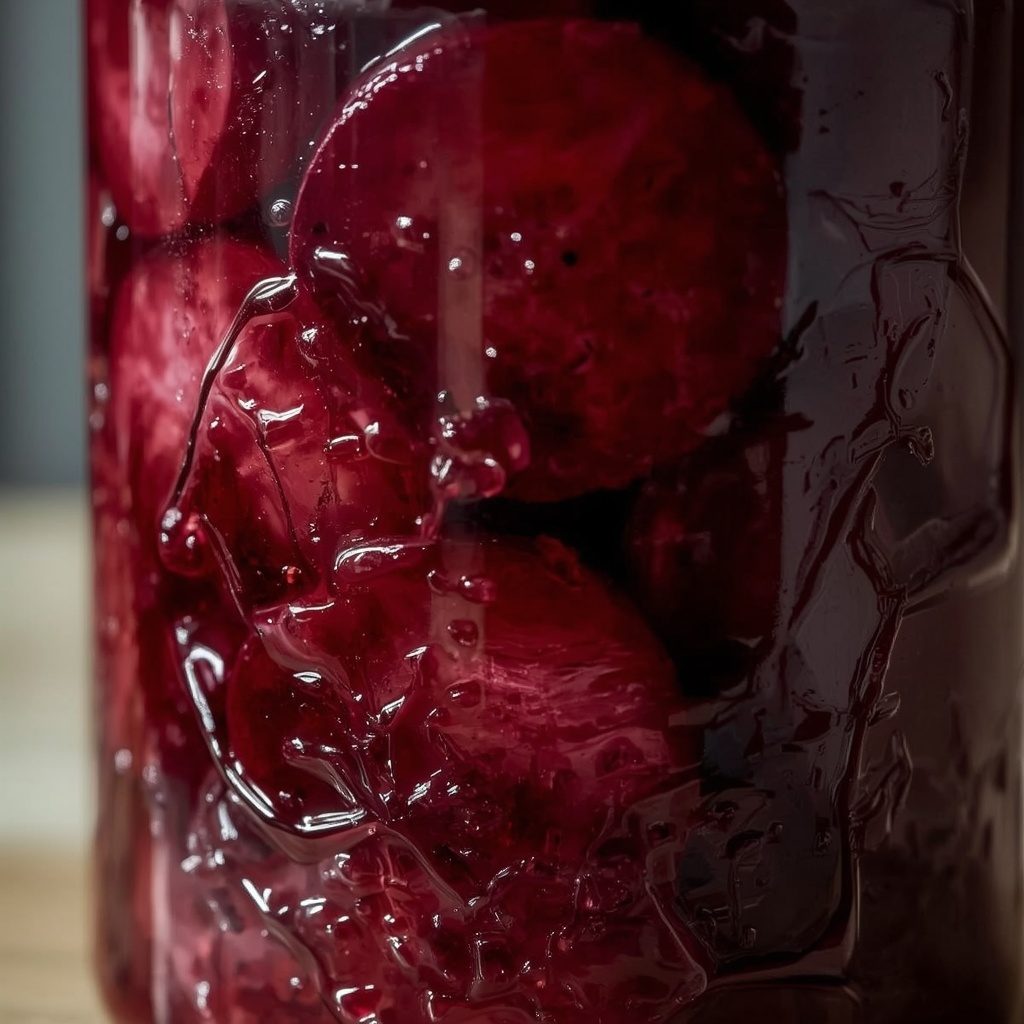
This is a stovetop pickled beet recipe built on fresh beets, apple cider vinegar, water, sugar, kosher salt, and whole spices. The beets boil until a skewer slides in easily, then cool, slip out of their skins, and get packed into a jar with the warm brine.
Expect a firm, slightly yielding bite with a sweet-sour punch and a slow warm hum from the allspice and peppercorns. They’re not soft or mushy like canned versions — the texture holds up for weeks.
Why You Should Try This Recipe
- Nine simple ingredients — nothing obscure, nothing you can’t find at any grocery store, and the spices are optional swaps depending on what’s in your cabinet.
- No canning equipment needed — these are refrigerator pickles, so a clean glass jar and a lid are all the specialty tools required.
- Flavor that deepens over time — the beets taste good after a day but genuinely great after 24 hours, which means you can make them ahead of any gathering.
- Versatile across meals — they work as a side dish, a salad topper, a burger condiment, or a straight-from-the-jar snack.
- Real beets, real color — leaving the skins on during boiling keeps that deep ruby hue and earthy sweetness locked in instead of bleeding into the water.
Ingredients Needed to Make Joy of Cooking Pickled Beets
You’ll find most of these already in your pantry — the only thing you may need to pick up fresh is the beets themselves. Choose beets that are firm, heavy for their size, and free of soft spots.
The Beets
- Fresh beets (2 lbs, about 6 medium) — trimmed but not peeled, leaving 1 inch of stem and the root tails intact. That intact stem end is what stops the color from bleeding out during boiling.
The Pickling Liquid
- Apple cider vinegar (1 cup) — the backbone of the brine. Its fruity acidity pairs better with beets than plain white vinegar.
- Water (1 cup) — balances the vinegar so the pickle isn’t harsh. Use equal parts if you need to top off the jar.
- Granulated sugar (1/2 cup) — sweetens the brine so the final bite lands sweet-tart rather than sharp.
- Kosher salt (1 tsp) — seasons the brine and helps the flavors penetrate. Don’t swap in table salt at the same volume; it’s much saltier.
Whole Spices
- Whole black peppercorns (1/2 tsp) — adds gentle heat that builds as the beets marinate.
- Whole allspice berries (1/2 tsp) — the warm, slightly clove-like note that gives classic pickled beets their depth.
- Bay leaf (1) — a single leaf tucked into the jar for subtle herbal backbone.
- Cinnamon stick (1 small, optional) — skip it if you prefer a cleaner flavor, keep it for a warmer spice profile.
Step by Step Instructions to Prepare Joy of Cooking Pickled Beets
The process splits neatly into two tracks — boiling the beets and simmering the brine — and they can run side by side. Follow the order below and the whole thing comes together in about an hour.
- Prepare the beets — Scrub them well under cold running water but don’t peel. Trim stems to 1 inch and leave the root tails intact so the color and flavor stay inside.
- Boil until tender — Place in a large saucepan, cover with cold water by 2 inches, bring to a boil over high heat, then reduce to medium-low and simmer uncovered. Start checking at 30 minutes; beets are done when a skewer slides in easily.
- Make the pickling liquid — While the beets cook, combine vinegar, water, sugar, salt, peppercorns, allspice, bay leaf, and cinnamon stick in a medium nonreactive saucepan. Simmer over medium heat, stirring until sugar and salt dissolve completely, then remove from heat to steep.
- Cool the beets — Drain and let them sit about 15 minutes until cool enough to handle. This step matters — slipping skins off piping-hot beets will burn your hands.
- Peel and slice — Skins should slide off easily by hand or with a small paring knife. Trim the root and stem ends, then cut into 1/4-inch rounds or wedges.
- Pack the jar — Fill a clean 1-quart glass jar or nonreactive container with the sliced beets. Divide evenly if using multiple jars.
- Pour the brine — Cover the beets completely with warm pickling liquid. If short, top off with equal parts vinegar and water. Tuck in the bay leaf and cinnamon stick.
- Cool and refrigerate — Let cool to room temperature, cover, and refrigerate. For the best flavor, wait at least 24 hours before eating. They keep up to 1 month.
What Goes Well With Joy of Cooking Pickled Beets
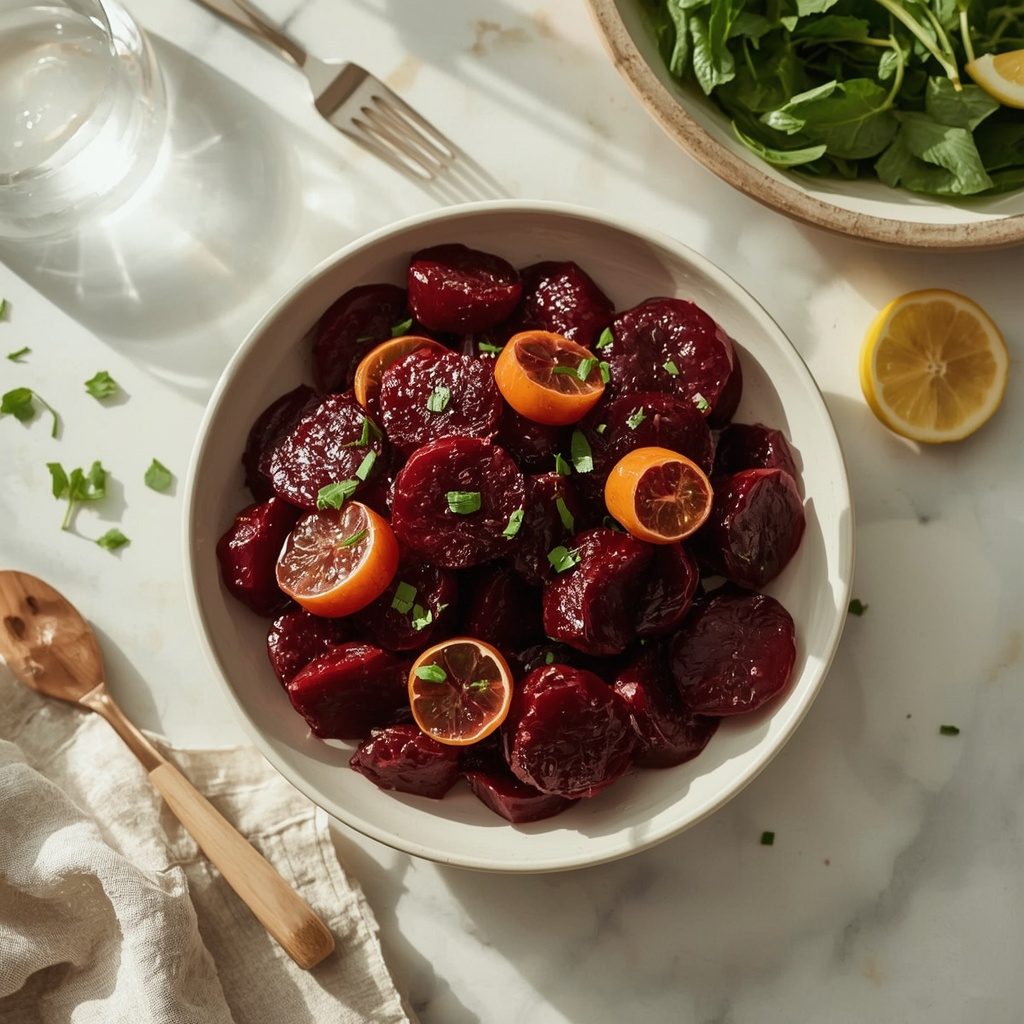
These are a natural bridge between rich, meaty mains and bright, acidic sides. Here’s what I reach for when building a plate around them.
- Roast chicken — the tangy beets cut through the richness of the drippings and add a pop of color next to the golden skin.
- Burgers and sandwiches — a few slices layered under the bun add sweet-sour contrast to beef, lamb, or veggie patties.
- Goat cheese and arugula salad — the creamy-tart cheese and peppery greens balance the beets’ sweetness beautifully.
- Rye bread with butter — a simple open-faced sandwich of buttered rye and sliced beets is a classic Eastern European-style snack.
- Grilled sausages or brats — the acidity brightens the fat and makes each bite feel lighter.
- Sparkling water with lemon — a clean, neutral drink that doesn’t compete with the brine’s spice.
Essential Tips for Perfecting Joy of Cooking Pickled Beets
Small details make the difference between beets that taste flat and ones you’ll want to keep in the fridge on repeat. Here’s what actually matters.
- Leave the stems and tails on — cutting them off before boiling lets the beets bleed their deep red color into the cooking water. Keep that inch of stem and the root tail intact until after they cool.
- Use a nonreactive saucepan — stainless steel, enameled, or glass. Aluminum and unlined copper react with the vinegar and can give the brine a metallic taste.
- Start checking at 30 minutes — small beets finish early while large ones might need 40 or more. A skewer should slide in with no resistance at the center.
- Slice uniformly — 1/4-inch rounds or even wedges absorb the brine at the same rate, so you don’t get some pieces flavorless and others overpowered.
- Pour the brine warm, not boiling — hot brine slightly softens the beets for better absorption without turning them mushy.
- Wait the full 24 hours — the flavor the first day is fine, but a full day in the fridge lets the spice and sweetness really settle in.
- Keep them submerged — any beet poking above the brine can discolor or spoil. Weight them down with a clean glass if needed.
Variations of Joy of Cooking Pickled Beets
The base brine is a template. Once you’ve made it a few times, these tweaks are worth trying on a fresh batch.
- Spicy version — add a dried chile or 1/2 teaspoon red pepper flakes to the brine for a slow-building heat.
- Horseradish kick — tuck 1 tablespoon of prepared horseradish into the jar for a traditional Eastern European twist.
- Honey-sweetened — swap the granulated sugar for an equal amount of honey for a more floral, less sharp sweetness.
- Mixed root pickles — combine beets with sliced carrots, turnips, or red onion for a more colorful refrigerator pickle.
- Dill and garlic — add a smashed clove of garlic and a few sprigs of fresh dill for a dill-pickle flavor profile.
- Citrus lift — drop in a strip of orange peel along with the spices for a bright, slightly bitter edge.
Storing Joy of Cooking Pickled Beets: Best Practices
Refrigerator pickles are forgiving, but a few storage habits keep them fresh and safe for the full month.
- Glass jars with tight lids — a clean 1-quart mason jar or a nonreactive container with a tight-fitting lid keeps the brine contained and the flavors sealed in.
- Refrigerate after cooling — never leave them at room temperature once they’ve cooled. Chill within two hours of pouring the brine.
- Keep them submerged in brine — the liquid is what preserves them. Top off with equal parts vinegar and water if the level drops.
- Use clean utensils every time — reaching in with the same fork you’ve been eating from introduces bacteria and shortens shelf life.
- Skip the freezer — freezing makes the beets mushy once thawed. Stick to the fridge for up to 1 month.
Reheating Joy of Cooking Pickled Beets: Best Practices
These are at their best cold or at room temperature, but if you want them warm, gentle heat is the rule. Boiling will soften the texture fast.
- Stovetop method — warm gently in a saucepan over low heat, stirring occasionally, until heated through. Watch closely so the beets don’t start to break down.
- Microwave shortcut — heat in a microwave-safe bowl in 20-second bursts on medium power, checking between rounds. Overheating turns them soft and dull.
- Room temperature serving — the simplest option. Pull the jar from the fridge 20 to 30 minutes before serving and let them come up to temperature naturally.
- Oven warming — spread on a foil-lined tray at 300°F (150°C) for about 10 minutes if you’re already using the oven. Avoid higher heat, which dries the edges.
FAQs
Can I freeze Joy of Cooking Pickled Beets?
Freezing isn’t recommended. The ice crystals break down the beet’s cell structure, and once thawed they turn mushy and watery. Stick to refrigeration, where they hold their texture for up to a month.
How long do Joy of Cooking Pickled Beets last in the fridge?
About 1 month when stored in a sealed container and kept fully submerged in brine. After that the texture starts to soften and the flavor fades.
Do I have to peel the beets before boiling?
No — and you shouldn’t. Boiling with the skins on keeps the color and flavor inside the beet. The skins slip off easily by hand once the beets have cooled for about 15 minutes.
Can I use canned beets instead of fresh?
You can, but the texture and flavor won’t be the same. Canned beets are already cooked, so you’d skip the boiling step entirely and just pour the brine over drained, sliced beets. Fresh gives a firmer bite and better flavor.
Why are my pickled beets too sour or too sweet?
It comes down to the vinegar-to-sugar ratio. If they taste harsh, add another tablespoon of sugar to the brine. If they’re cloying, splash in a little extra apple cider vinegar. Adjust the next batch rather than the jar you’ve already sealed.
Are pickled beets good for you?
They’re a good source of fiber and contain natural nitrates, though this recipe’s brine does add sugar — each serving has 29g. Enjoy them as a flavorful side rather than a health food, and they fit nicely into a balanced plate.
Final Words
Making Joy of Cooking Pickled Beets at home is one of those small kitchen wins that pays off all month — a single jar in the fridge means instant color and flavor for salads, sandwiches, and snack plates. The method is simple, the ingredient list is short, and the payoff after 24 hours of marinating is a sweet, tangy, spice-kissed beet that beats anything from a can.
Grab a bunch of fresh beets this week, boil a pot, and let the brine do the rest. Once you’ve made them once, you’ll keep a jar on rotation.
Print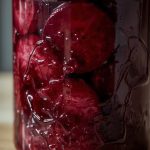
Joy of Cooking Pickled Beets
- Prep Time: 20
- Cook Time: 40
- Total Time: 60
- Yield: 4 1x
- Category: Side Dish
- Method: Stovetop
- Cuisine: American
Description
A classic pickled beet recipe from the Joy of Cooking, featuring sweet and tangy beets with a hint of spice. Perfect as a side dish, salad topping, or straight from the jar.
Ingredients
- 2 lbs fresh beets (about 6 medium), trimmed, leaving 1 inch of stem
- 1 cup apple cider vinegar
- 1 cup water
- 1/2 cup granulated sugar
- 1 tsp kosher salt
- 1/2 tsp whole black peppercorns
- 1/2 tsp whole allspice berries
- 1 bay leaf
- 1 small cinnamon stick (optional)
Instructions
- Scrub the beets well under cold running water, but do not peel them. Trim the stems to about 1 inch and leave the root tails intact. This prevents the beets from bleeding their color and flavor into the cooking water.
- Place the beets in a large saucepan and cover with cold water by 2 inches. Bring to a boil over high heat, then reduce heat to medium-low and simmer uncovered until the beets are tender when pierced with a skewer, about 30 to 40 minutes. The cooking time will vary with beet size, so start checking at 30 minutes.
- While the beets cook, prepare the pickling liquid. In a medium nonreactive saucepan, combine the apple cider vinegar, water, sugar, kosher salt, peppercorns, allspice berries, bay leaf, and cinnamon stick (if using). Bring to a simmer over medium heat, stirring until the sugar and salt dissolve completely. Remove from heat and let steep while the beets finish cooking.
- When the beets are tender, drain them and let cool until they are easy to handle, about 15 minutes. Alternatively, you can slip off the skins under cold running water, but cooling slightly first prevents burning your hands.
- Slip off the skins using your hands or a small paring knife; they should slide off easily. Trim off the root and stem ends, then slice the beets into 1/4-inch thick rounds or cut into wedges, depending on your preference.
- Pack the sliced beets into a clean 1-quart glass jar or a nonreactive container with a tight-fitting lid. If you have multiple jars, divide evenly.
- Pour the warm pickling liquid over the beets, making sure they are completely submerged. If needed, add a little more vinegar and water in equal proportions to cover. Tuck the bay leaf and cinnamon stick among the beets if desired.
- Let the pickles cool to room temperature, then cover and refrigerate. For the best flavor, let them marinate for at least 24 hours before eating. They will keep in the refrigerator for up to 1 month.
Notes
Storage: Store pickled beets in the refrigerator for up to 1 month. Freezing is not recommended as it makes the beets mushy. Reheating: These beets are best served cold or at room temperature. If you prefer them warm, gently heat in a saucepan over low heat until warmed through, but avoid boiling to prevent softening.
Nutrition
- Calories: 130
- Sugar: 29g
- Sodium: 300mg
- Unsaturated Fat: 0g
- Carbohydrates: 33g
- Fiber: 4g
- Protein: 2g
- Cholesterol: 0mg
Keywords: pickled beets, joy of cooking, pickled beets recipe, homemade pickled beets, easy pickled beets, sweet and tangy beets, pickled beetroot, side dish, condiment, American cuisine, stovetop pickling, preserved beets